A New Era of Digital and Inclusive Data
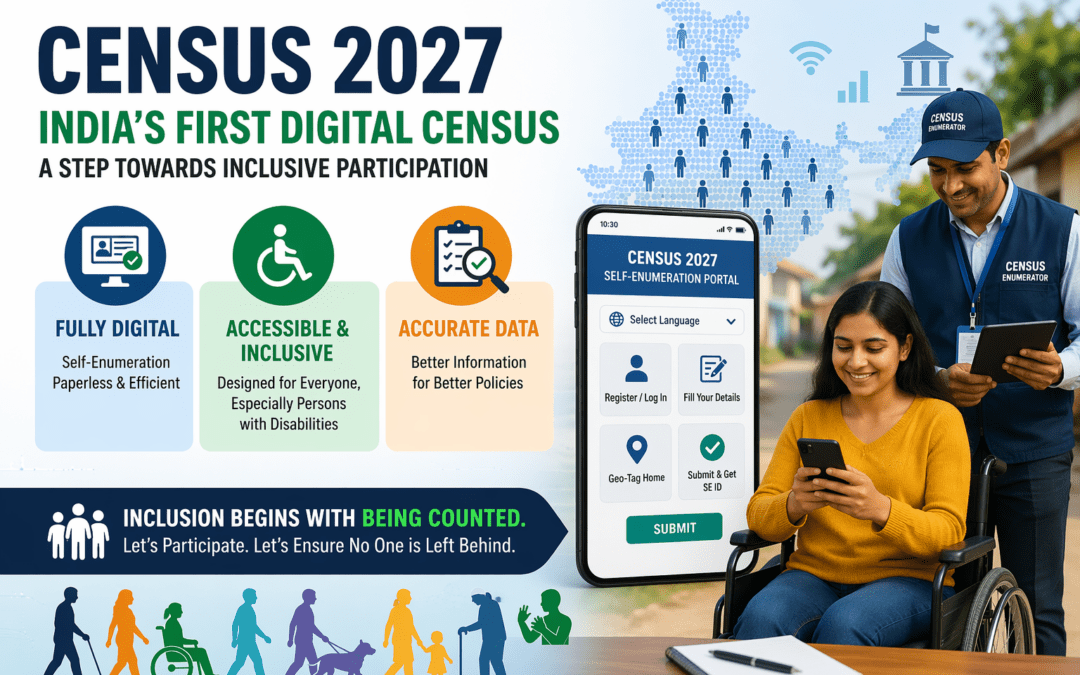
India is set to witness a transformative shift in population data collection with Census 2027. As the country’s 16th Census and its first fully digital exercise, it introduces self-enumeration, enhanced accessibility, and improved data systems.
This evolution is not just about adopting technology—it is about redefining inclusion. Who gets counted, how accurately data is captured, and whether marginalized communities—especially persons with disabilities (PwDs)—are represented meaningfully, lies at the heart of this initiative.
With growing emphasis on digital census India, inclusive data collection, and accessibility in governance, Census 2027 is a crucial step toward equitable development.
What Makes Census 2027 Different?
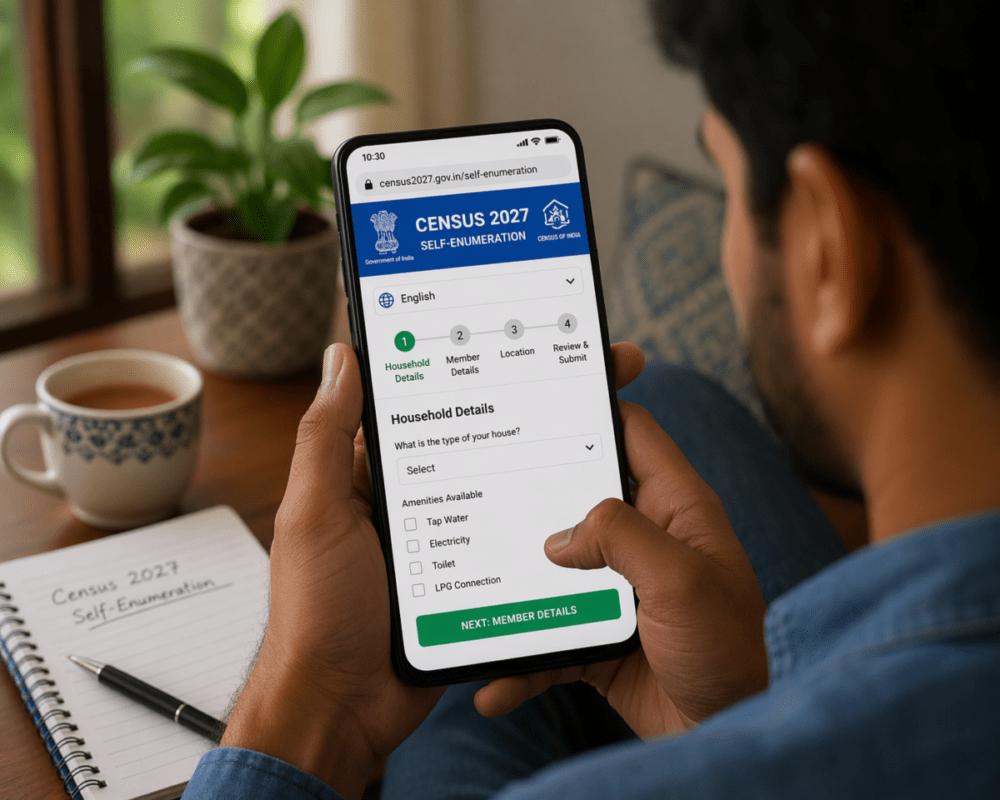
A Digital-First Census Model
Unlike previous paper-based exercises, this census leverages digital tools to minimize errors, reduce processing time, and enable real-time data validation.
Census 2027 will mark a significant milestone as India’s 16th Census and the country’s first fully digital population count.
By leveraging technology for data collection and processing, it aims to enhance efficiency, ensure greater accuracy, and reduce delays in publishing results.
The digital approach is also expected to make the process more inclusive, enabling better coverage of diverse and often underrepresented communities, thereby supporting more informed policy-making and equitable development planning.
Census 2027 Phases Explained
The census will be conducted in two key phases:
House Listing & Housing Census (April–September 2026)
This phase captures:
-
Housing conditions
-
Basic amenities
-
Infrastructure details
Population Enumeration (February 2027)
This phase captures:
-
Individual-level data
-
Social, economic, and demographic indicators
The exercise is conducted by the Registrar General and Census Commissioner of India under the Ministry of Home Affairs.
Inclusion of Persons with Disabilities: A Core Focus
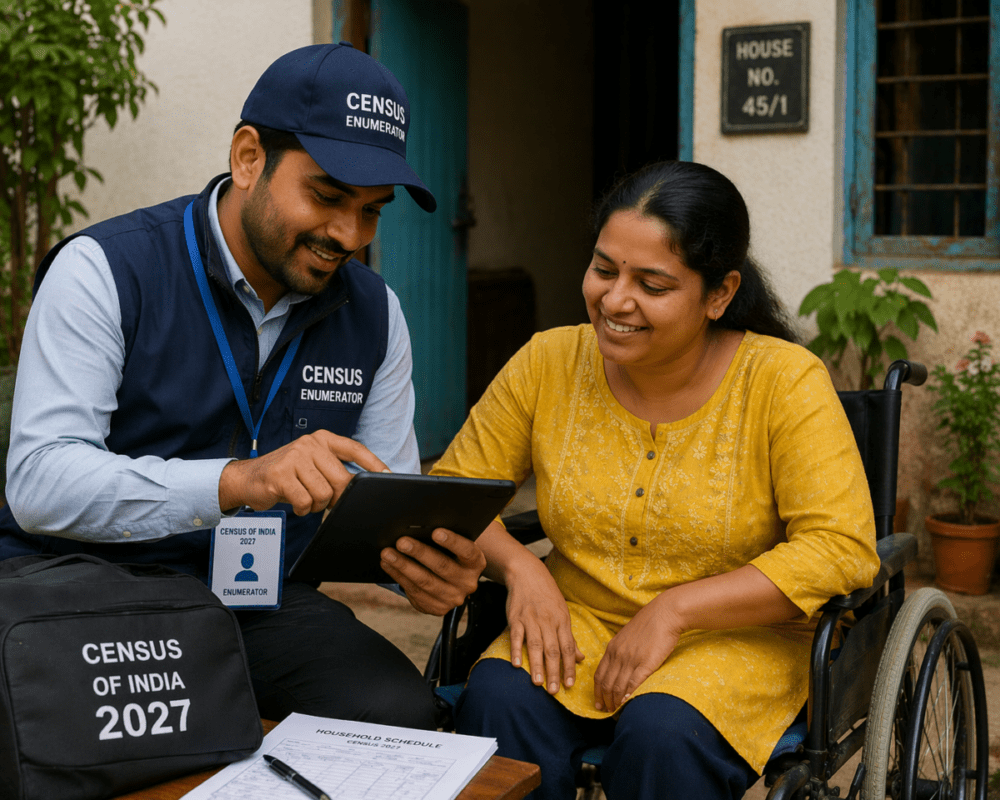
One of the most important aspects of Census 2027 is its commitment to accessibility and inclusion.
Why Disability Data Matters
Accurate census data directly influences:
-
Government welfare schemes
-
Urban and rural infrastructure planning
-
Social inclusion policies
For persons with disabilities, reliable data ensures visibility in policymaking. Without it, communities risk being excluded from essential services and benefits.
Digital Accessibility in Census 2027
Making Self-Enumeration Accessible
The self-enumeration portal has been designed to ensure digital accessibility in India, with features such as:
-
Screen reader compatibility
-
Integration with assistive technologies
-
Easy navigation and simplified forms
-
Availability in multiple Indian languages
These features empower individuals especially People with disability to participate independently and with dignity
Enumerator Sensitization & Assisted Enumeration
Human Support for Inclusive Data Collection
Technology alone cannot guarantee inclusion. Census 2027 also emphasizes human-centered approaches.
Enumerators are being trained to:
-
Interact respectfully with persons with disabilities
-
Ensure comfort and dignity
-
Capture accurate and unbiased data
Assisted Enumeration for All
For those unable to self-enumerate:
-
Enumerators will visit homes
-
Provide assistance in filling forms
-
Ensure accurate data submission
This hybrid model ensures that no one is left behind in Census 2027.
Improved Disability Data Collection
Better Data, Better Policies
For the first time, Census 2027 places strong emphasis on:
-
Detailed disability categories
-
Improved classification of type and severity
-
More nuanced and actionable data
This is critical because data drives policy. Accurate disability data enables targeted interventions, better accessibility planning, and inclusive growth.
How Self-Enumeration Works
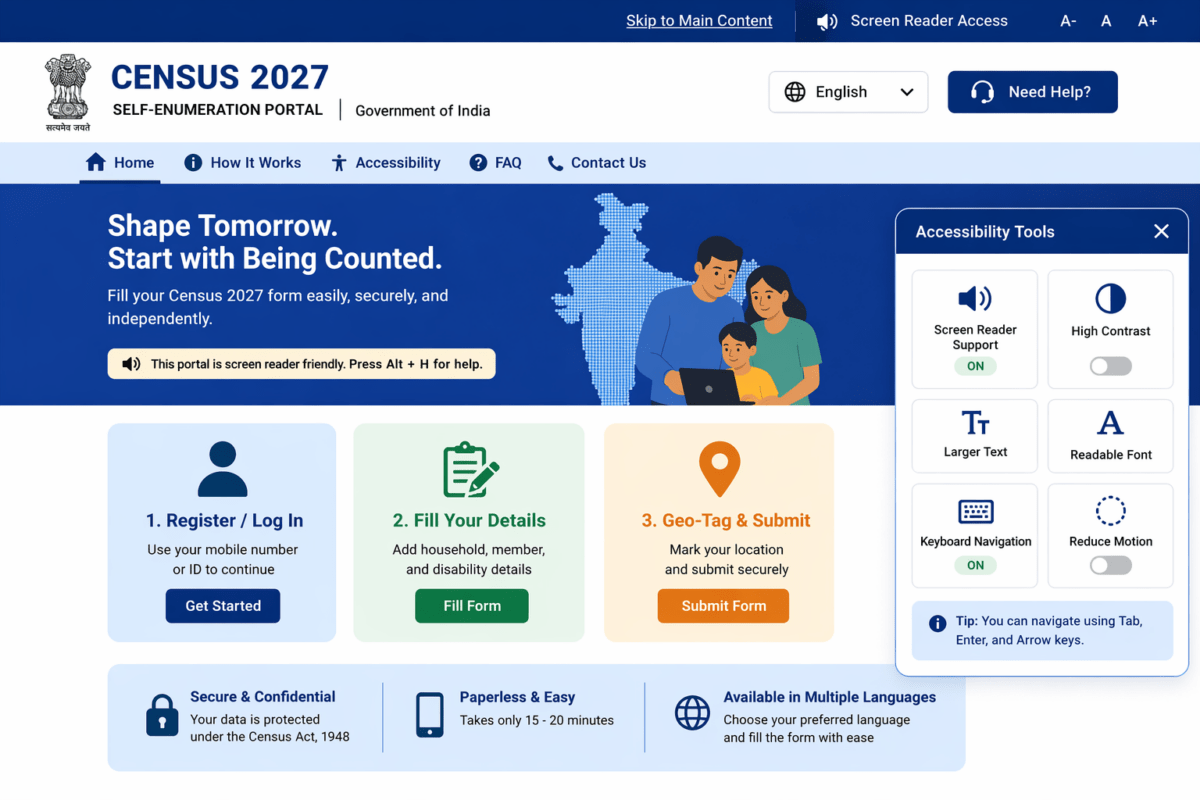
Step-by-Step Process
1. Visit the Portal
Access the official self-enumeration website during your state’s active window
2. Register / Log In
Use your mobile number or valid ID for authentication
3. Fill Your Details
-
Answer housing-related questions
-
Add demographic details for all household members
-
Include disability details accurately
4. Mark Your Location
Geo-tag your house using the digital map
5. Submit the Form
Receive a unique Self-Enumeration ID (SE ID)
6. Verification
Share the SE ID with the enumerator during their visit
Why Census 2027 Matters for India
Driving Policy Through Data
Census data is the backbone of:
-
Government schemes and subsidies
-
Infrastructure development
-
Social welfare policies
For persons with disabilities, accurate data ensures:
-
Better access to services
-
Inclusive infrastructure planning
-
Representation in national statistics
If disability data is incomplete, entire communities remain invisible in decision-making processes.
The Role of Awareness and Community Participation
Inclusion Requires Collective Action
While Census 2027 introduces advanced systems, inclusion depends on:
-
Public awareness
-
Community support
-
Active participation
Organizations like Anuprayaas are instrumental in:
-
Promoting accessibility awareness
-
Supporting PwDs during census participation
-
Advocating for inclusive data systems
Conclusion: Being Counted Means Being Seen
At its core, Census 2027 is about more than numbers—it is about visibility, voice, and rights.
At Anuprayaas, we believe:
“Inclusion begins with being counted.”
Let us:
-
Encourage self-enumeration
-
Support persons with disabilities in the process
-
Ensure no one is left behind
Because data is not just numbers — it is visibility, voice, and rights.